

Key takeaways
- Treat medallion as meaning; treat lakehouses and schemas as packaging.
- Prefer one schema-enabled lakehouse when layers share a domain, team, and release train.
- Prefer separate lakehouses when ownership, sensitivity, or failure windows are real.
- Enable schemas at create time; late discovery means recreate cost and id churn.
- Parameterize lakehouse id, schema, and environment; never hard-code display names.
- Draw the connection map before any consolidate or split; budget for rebinds.
Medallion architecture asks where bronze, silver, and gold live. In Fabric you can answer with many lakehouses or with schemas inside one lakehouse.
That choice leaks into shortcuts, SQL endpoints, notebooks, CI/CD, and how painful renames become later. It is not a folder preference. It is a topology decision.
Named model: packaging follows ownership
- Meaning: bronze, silver, and gold describe quality and contract, not container count.
- Packaging A (many lakehouses): clear blast radius per domain; more endpoints, deploy targets, and "which lakehouse am I in" mistakes.
- Packaging B (one schema-enabled lakehouse): fewer wires; medallion as schemas (
bronze_*,silver_*,gold_*, or domain-first with layer prefixes); naming discipline is mandatory. - Contract: ownership and release trains pick the packaging. Workshop aesthetics do not. Schema enablement is a create-time property.
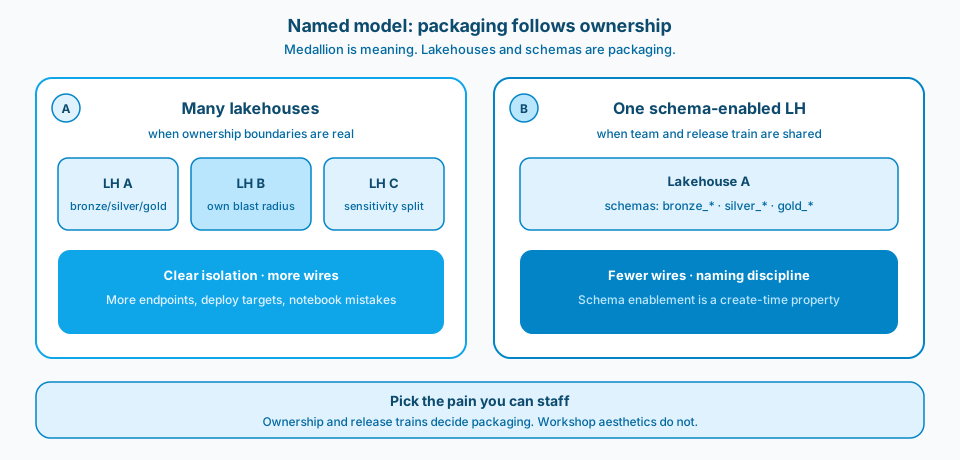
Figure 1. Packaging follows ownership. Many lakehouses buy isolation at the cost of wires. One schema-enabled lakehouse buys fewer wires at the cost of naming discipline.
Context and constraint
Teams split lakehouses for cleanliness and then drown in connection strings. Others keep one lakehouse without schemas and watch it turn into a junk drawer with bronze and gold mixed by habit. Both fail for different reasons. The right answer depends on ownership and release trains, not on which screenshot looked tidy in a workshop.
Two topologies dominate:
Many lakehouses. Clear blast radius per domain. Easier mental isolation. More artifacts to deploy, more endpoints to bind, more "which lakehouse am I in" mistakes in notebooks. Good when ownership or sensitivity boundaries are real.
One schema-enabled lakehouse. Medallion as schemas (bronze_*, silver_*, gold_*, or domain-first schemas with layer prefixes). Fewer wires. Stronger need for naming discipline. Schema enablement is a create-time property. Discovering you needed schemas after the lakehouse exists is an expensive surprise.
Neither is "more Fabric native" in the abstract. Fabric supports both. Your failure modes decide which one you can operate.
Figure 2 is the create surface where schema enablement is decided. Figure 3 is schemas inside a lakehouse once that create-time choice is made.
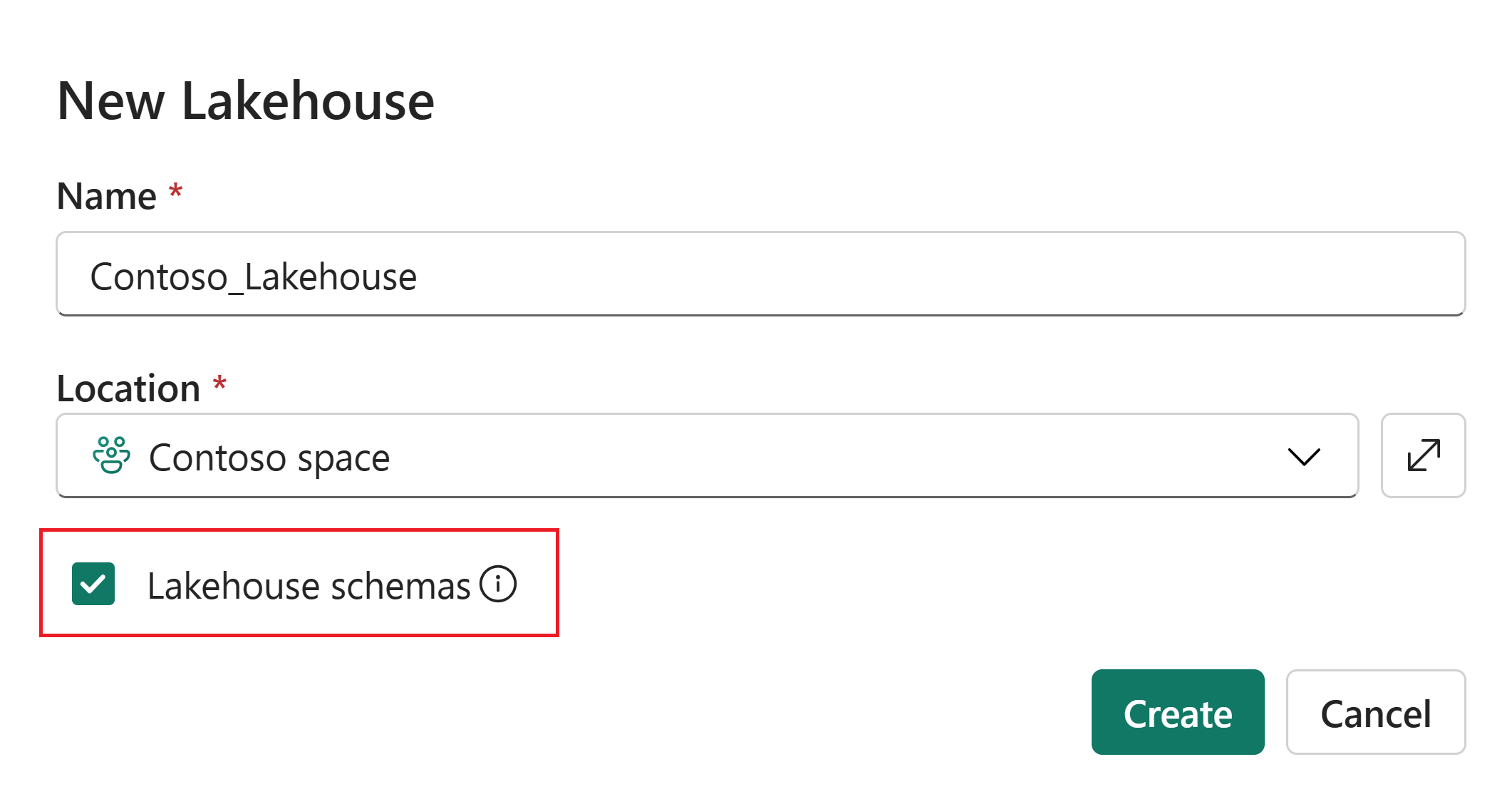
Figure 2. Lakehouse creation in Microsoft Fabric. Schema enablement is chosen here, not later. Source: Microsoft Learn: lakehouse schemas.
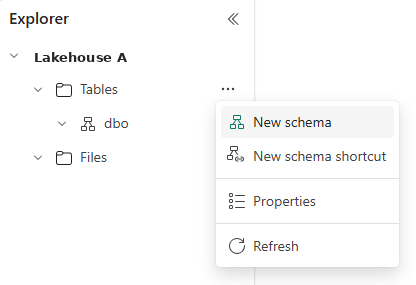
Figure 3. Schemas inside a lakehouse. Naming discipline becomes the operating system. Source: Microsoft Learn: lakehouse schemas.
Design
1. Stable identities
Workspace display names can change for branding. Lakehouse and workspace GUIDs should not be casually recreated. Treat ids as contracts in config and pipelines. Pretty names are labels. If your deployment notes still say "use the lakehouse called Gold A," you are one rename away from a broken weekend.
2. Parameterized targets
No hard-coded environment or source-system names in shared notebook snippets. A session working on one domain should not inherit another domain's default lakehouse from a copied cell. Pass lakehouse id, schema, and environment as parameters or as a small config module that every job imports the same way.
3. Shortcuts and SQL endpoints are in scope
Consolidating or splitting lakehouses changes how shortcuts and reporting bind. Budget for rebinds when you move topology. "We only changed folders" is rarely true for semantic models, Direct Lake bindings, or SQL endpoint consumers. Draw the connection map before you migrate, not after the first broken report. Figure 4 is that map.
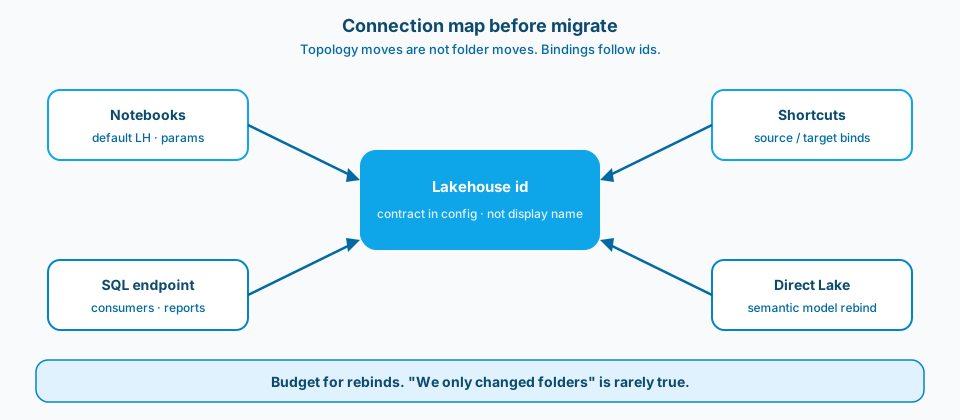
Figure 4. Notebooks, shortcuts, SQL endpoints, and Direct Lake models bind to lakehouse identity. Topology moves need a rebind budget.
4. CI/CD surface area
One lakehouse can mean fewer items but larger items. Many lakehouses can mean noisy deploys if tooling republishes unchanged artifacts across a wide graph. Know your deployer before you optimize for either beauty. Count what actually changes on a typical merge, not what a topology diagram promises.
5. Match topology to access and ownership
Governance tools and workspace roles may align better with one model or the other depending on how your platform isolates domains. If two teams cannot share a failure window, they probably should not share a lakehouse either. Schemas concentrate risk when permissions are coarse. Separate lakehouses push risk into sprawl. Pick the pain you can staff.
Decision heuristic
- Prefer schemas in one lakehouse when layers share a domain, team, and release train.
- Prefer separate lakehouses when domains, sensitivity, or ownership boundaries are real, not aesthetic.
- Prefer separate workspaces when lifecycle, capacity, or contributor sets truly diverge, and do not pretend lakehouse count alone solves that.
- Never invent a third hybrid (some layers split, some merged) without writing the connection map first. Hybrids are where onboarding dies.
Ask one blunt question in the design review: if this job writes to the wrong place, who notices, and how fast? That answer should drive packaging more than a preference for tidy trees.
Figure 5 is why schema enablement cannot be deferred as a cleanup ticket.
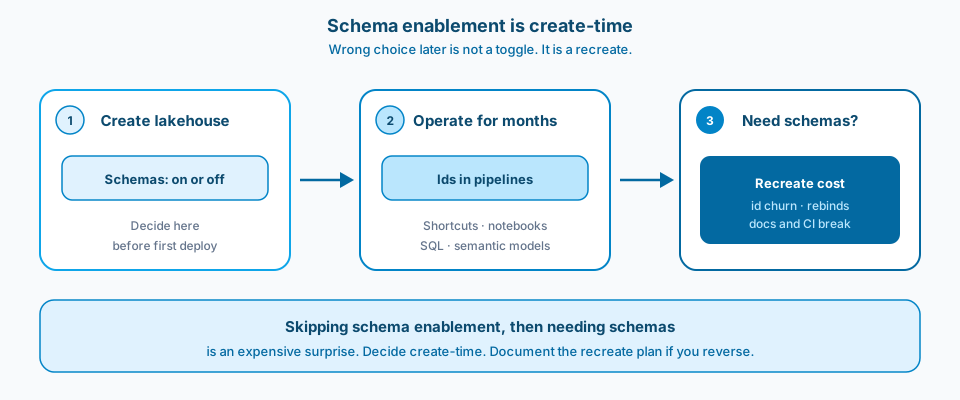
Figure 5. Schema enablement is create-time. Skipping it, then needing schemas, means recreate cost, id churn, and broken rebinds together.
Common mistakes
Creating a new lakehouse for every notebook. Topology by exhaustion. Six months later nobody knows which lakehouse is canonical.
Skipping schema enablement, then needing schemas. Recreate cost and id churn. Pipelines, shortcuts, and docs all break together.
Hard-coding lakehouse names in jobs. Breaks the moment you add a sandbox or a second environment.
Renaming workspaces in the portal while config still keys off old display strings. Prefer ids. Display names are for humans; contracts are for machines.
Assuming shortcuts will "just follow" a consolidation. Verify semantic models, SQL endpoints, and notebook defaults. They will not apologize when they point at the old place.
Hybrid without a map. Bronze in one lakehouse, silver and gold in another "for now," with notebooks that guess. Onboarding cost compounds forever.
Use as-is or adapt
Use as-is
- Schema-enabled or not, and recreate cost if wrong.
- Naming convention for schemas vs lakehouses (layer-first, domain-first, or both with a rule).
- How shortcuts and Direct Lake semantic models bind, and who owns rebinds.
- What is parameterized vs hard-coded in notebooks and pipelines.
- Who owns each domain boundary and its release train.
- Explicit non-goals: no hybrid without a connection map; no lakehouse-per-notebook.
Adapt before you use
Schemas concentrate risk: a bad job can write into the wrong schema in the same lakehouse if permissions are coarse. You need clearer naming, clearer defaults, and tests that catch cross-layer writes early.
Separate lakehouses push risk into sprawl and operational overhead: more connection strings, more deploy targets, more "I attached the wrong lakehouse" incidents. Isolation is real, but so is the cognitive load.
CI/CD tools punish both extremes differently. One fat lakehouse can make diffs harder to review. Many thin lakehouses can make pipelines chatty. Measure your actual deployer behavior on a branch that looks like production before you commit the topology in an all-hands slide.
Governance and workspace roles may already encode domain boundaries. Match the topology to how you already grant access, or you will fight the platform with custom exceptions forever.
Primary references: Lakehouse schemas, Lakehouse overview.
Medallion is a meaning. Lakehouses and schemas are packaging. Choose packaging that your CI/CD and your humans can both survive.