4 posts tagged with "Power BI"

Semantic models, Direct Lake, and Power BI platform operations.

View All Tags

Semantic refresh architecture: notebooks, pipelines, and Direct Lake

· 6 min read

Sai Prudhvi Neelakantam
Senior Consultant, Data Engineering & AI at Evidi

Fresh gold tables are useless if the semantic model still points at yesterday, or if refresh burns an hour on a fact you could have incrementalized. Refresh is an architecture problem: orchestration, identity, and storage mode. Treat it as a portal checkbox and you invent a second process nobody can explain.
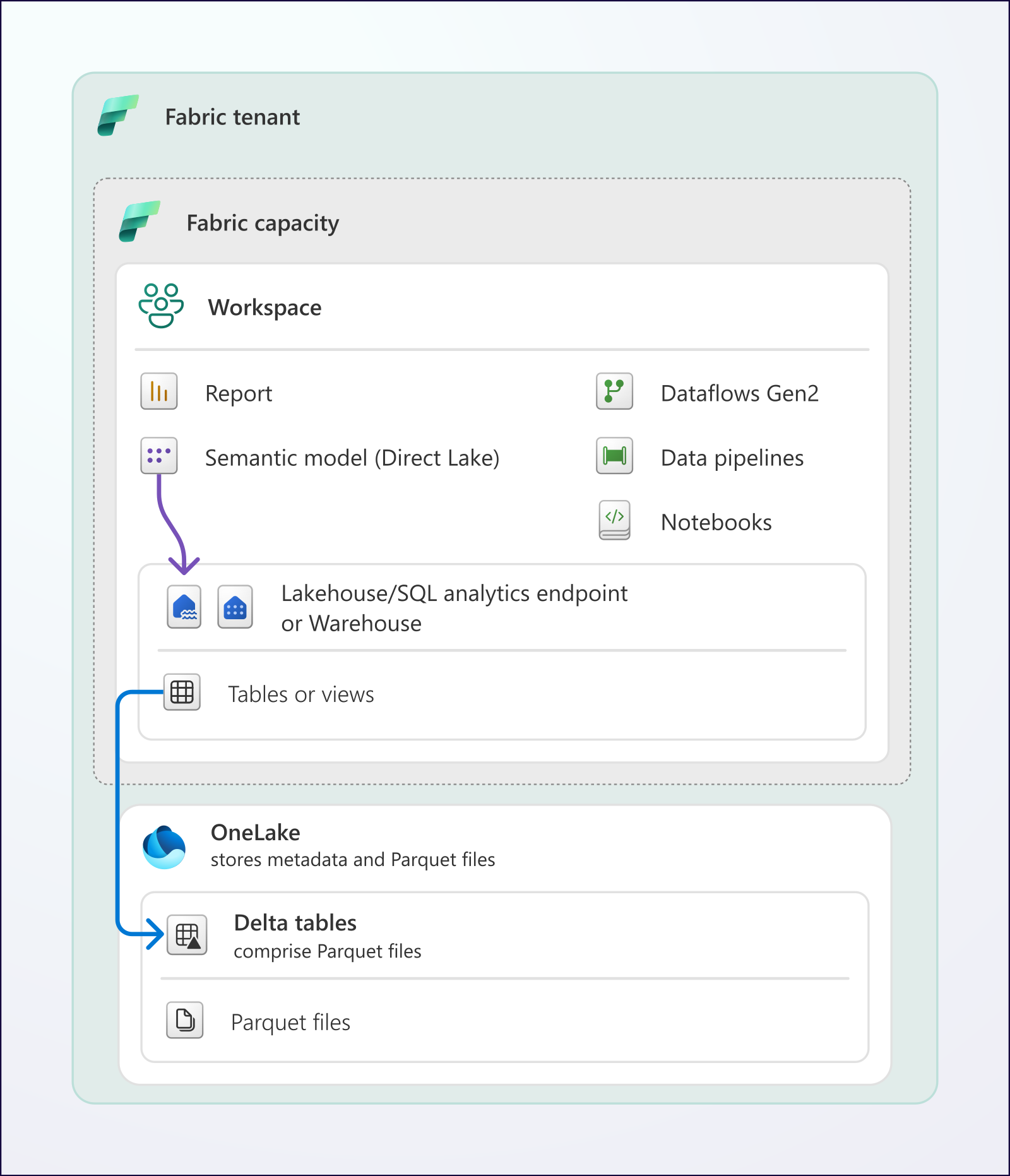
Direct Lake overview

Figure 1. Direct Lake connects the semantic model to Delta in OneLake. Source: Microsoft Learn: Direct Lake overview.
Matching relationship types is cheaper than debugging blank visuals

· 6 min read
Sai Prudhvi Neelakantam
Senior Consultant, Data Engineering & AI at Evidi

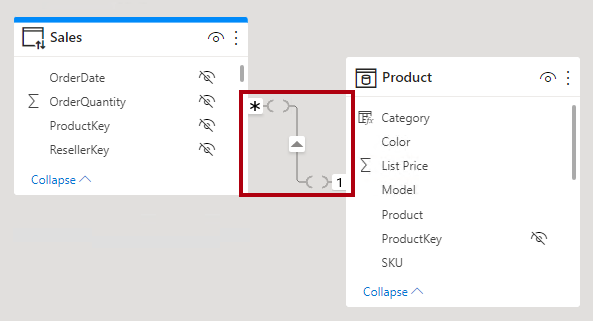
Blank visuals are often type mismatches, not proof that "DAX is hard." An int64 fact key next to a string dimension key fails quietly. Role-playing dims multiply the blast radius: one bad FK type breaks several relationships that all looked fine in the diagram.

Align gold SQL and TMDL together. Date keys and degenerate dims deserve explicit type standards. Add a CI check for relationship endpoint types. Matching types is cheaper than another afternoon of staring at empty cards.

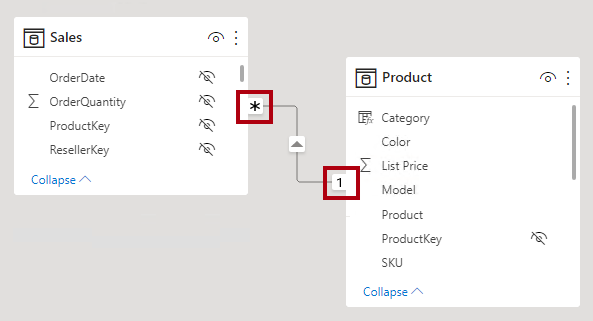
Limited relationship in a Power BI model diagram

Figure 1. Blank visuals are often int64-versus-string relationship endpoints, not proof that DAX is hard. Source: Microsoft Learn: understand relationships.

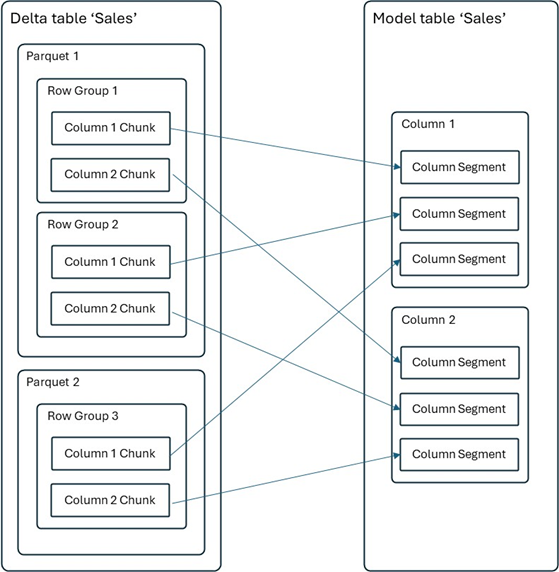
Delta table mapped to a semantic model table

Figure 2. Align gold SQL types and TMDL together, then gate relationship endpoint types in CI. Source: Microsoft Learn: Direct Lake storage.

Bridge keys before dashboards: remodel the device fact

· 6 min read
Sai Prudhvi Neelakantam
Senior Consultant, Data Engineering & AI at Evidi

Helpful gold views that "just join service and device" hide many-to-many grain until a report page disagrees with itself. Filters double count. Role-playing dims break. Two pages that should reconcile never do.

Deploy bridge keys as a first-class artifact and remodel the service-device fact before you polish visuals. Matching logic must be shared with telemetry enrichment or the numbers diverge by construction. Semantic role-playing dims need matching foreign key types. Remodel first. Visual polish second.

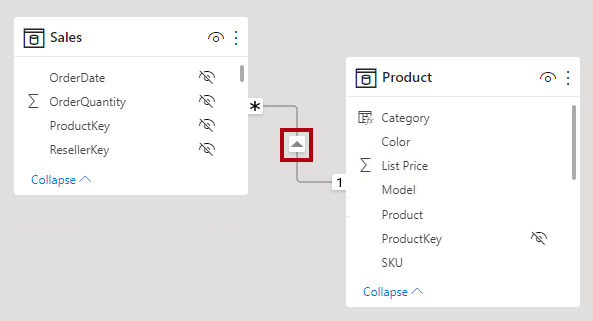
Model diagram showing relationship cardinality

Figure 1. Many-to-many grain leaks into blank or double-counted visuals. Remodel the fact before polishing pages. Source: Microsoft Learn: understand relationships.

Model diagram showing cross-filter direction

Figure 2. Bridge keys and filter direction are part of the remodel. Dashboards inherit whatever grain you leave in gold. Source: Microsoft Learn: understand relationships.

Gold without a semantic contract is just another table

· 6 min read
Sai Prudhvi Neelakantam
Senior Consultant, Data Engineering & AI at Evidi

A gold device table that looks clean in Spark can still fail as a platform asset. Optional links to contracts drop unmatched devices. Free-text site fields hide business keys behind tribal regex. Captions and folders are treated as polish. Stakeholders open a report and half the estate is missing without an error.

Gold becomes useful when unmatched keys, captions, and relationships ship as one semantic contract with the table. "All devices visible regardless of match" is an acceptance test, not a slogan.

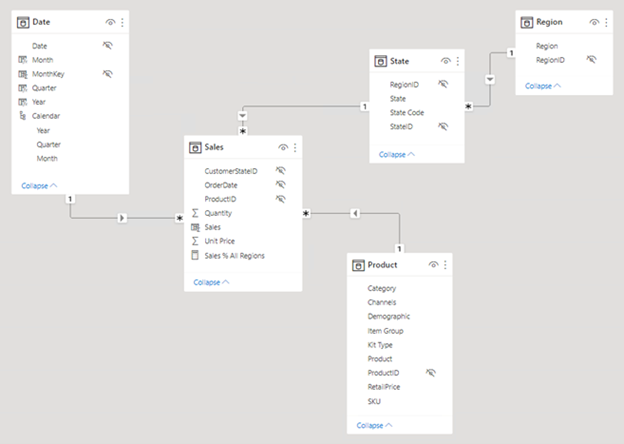
Star schema model diagram in Power BI

Figure 1. Gold only becomes a platform asset when keys and relationships behave as a semantic contract the model can trust. Source: Microsoft Learn: understand relationships.

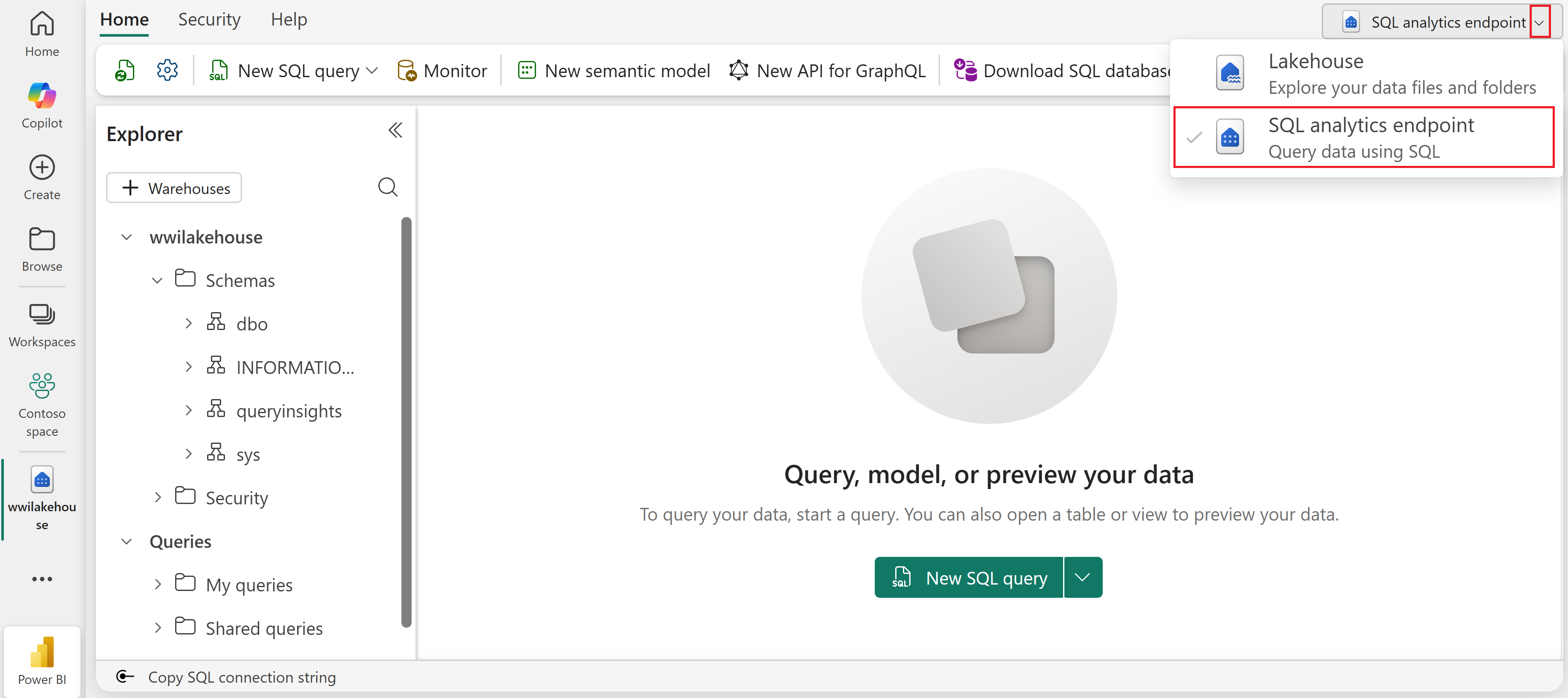
Lakehouse SQL analytics endpoint in Microsoft Fabric

Figure 2. Row counts on the SQL endpoint can look healthy while reports hide unmatched keys. Test the contract, not only Spark success. Source: Microsoft Learn: lakehouse SQL analytics endpoint.