
2 posts tagged with "Platform Engineering"

Platform overlays, naming, and reusable delivery surfaces.

View All Tags

Rename the estate once: workspace naming is architecture

· 5 min read
Sai Prudhvi Neelakantam
Senior Consultant, Data Engineering & AI at Evidi

Inconsistent workspace display-name prefixes look cosmetic until CI bindings, support scripts, and onboarding docs all grow translation layers. Every new engineer learns a dialect map. Every pipeline encodes yesterday's politics in a string.

Rename the estate once. Display names are for humans; catalog and lakehouse names may stay stable on purpose. Prefix chaos multiplies CI, docs, and scripts. Do the rename as a program with an old-to-new map. Strip legacy vendor codes when they no longer mean ownership. Naming standards belong in platform docs next to Variable Library maps. Perpetual translation is more expensive than a planned rename.
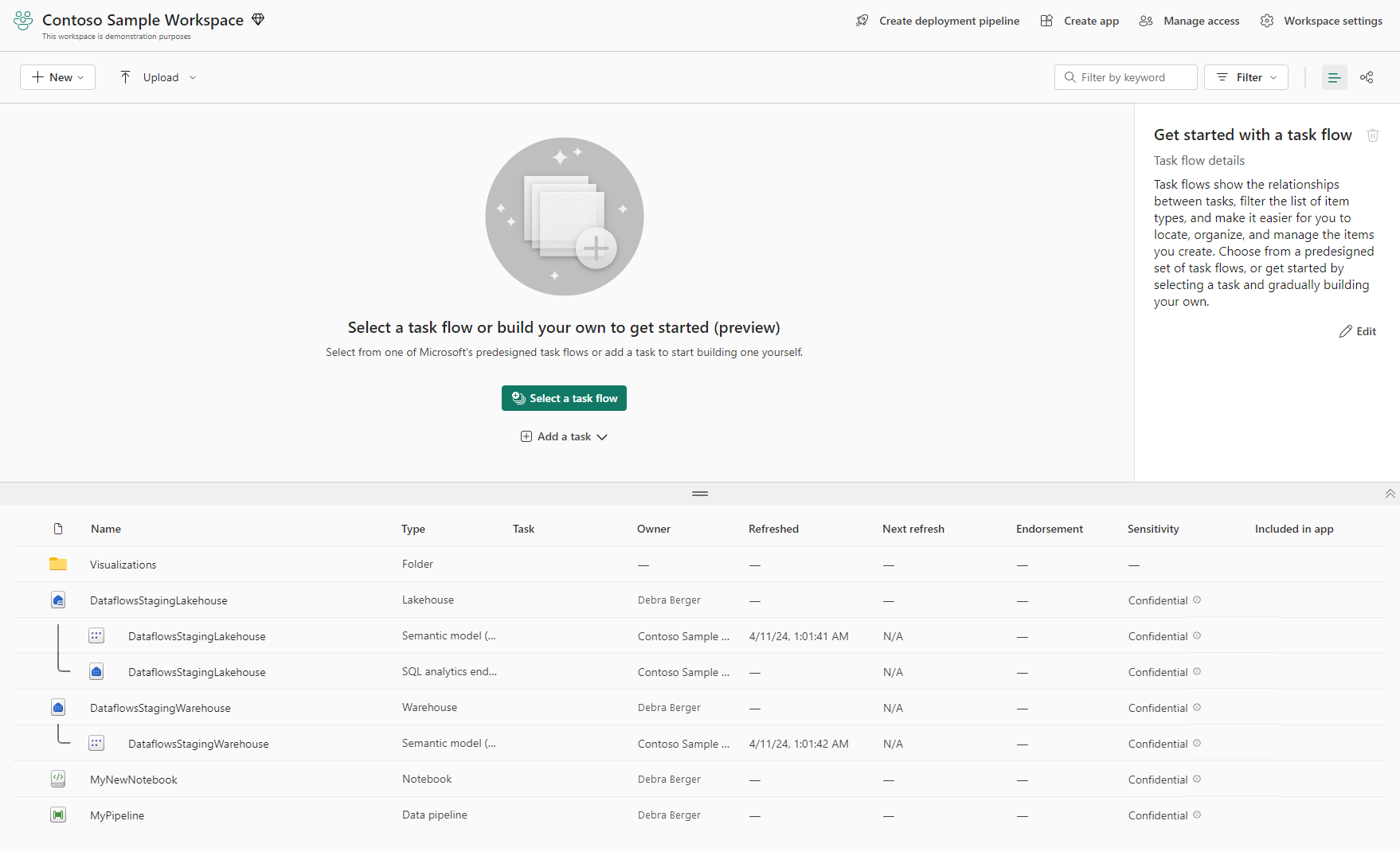
Microsoft Fabric workspace page

Figure 1. Workspace and lakehouse naming is estate architecture. Display names should guide humans without freezing bad prefixes forever. Source: Microsoft Learn: workspaces.
Consolidate Fabric monitoring into one operable skill

· 5 min read
Sai Prudhvi Neelakantam
Senior Consultant, Data Engineering & AI at Evidi

Fabric estates accumulate half-scripts: a notebook that checks capacities, a shell history that lists failed jobs, a wiki page with screenshots from last quarter. Each produces a different health story. On-call picks a favorite. Coding agents inherit the contradiction.

Consolidate into one operable skill. Clear verbs beat tribal shell history. Agents consuming monitor tools need stable output contracts. Separate diagnosis from remediation. Version runbooks like product code. Many half-scripts create contradictory signals; one interface creates a shared truth you can improve.

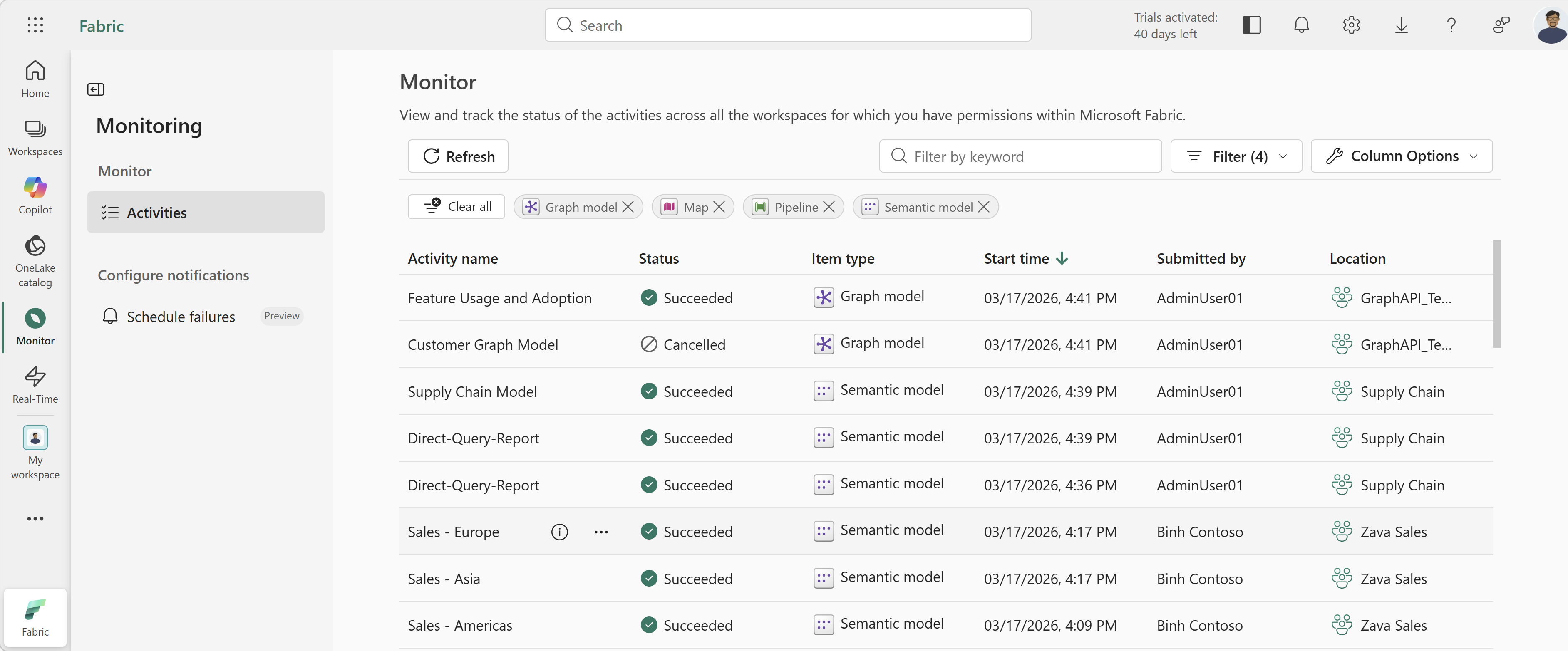
Fabric monitoring hub table

Figure 1. Monitoring should be an operable interface with stable outputs, not a pile of one-off scripts. Source: Microsoft Learn: monitoring hub.