3 posts tagged with "Performance"

Refresh, ingestion, and runtime performance notes.

View All Tags

Canvas apps at platform scale: push work to Dataverse

· 6 min read

Sai Prudhvi Neelakantam
Senior Consultant, Data Engineering & AI at Evidi

Canvas is wonderful until one screen becomes a distributed system: nested galleries, OnStart fan-out, and business rules living in Power Fx because it was faster.

Microsoft's own performance reference architectures push a clear direction. Move heavy work toward Dataverse and keep screens focused.
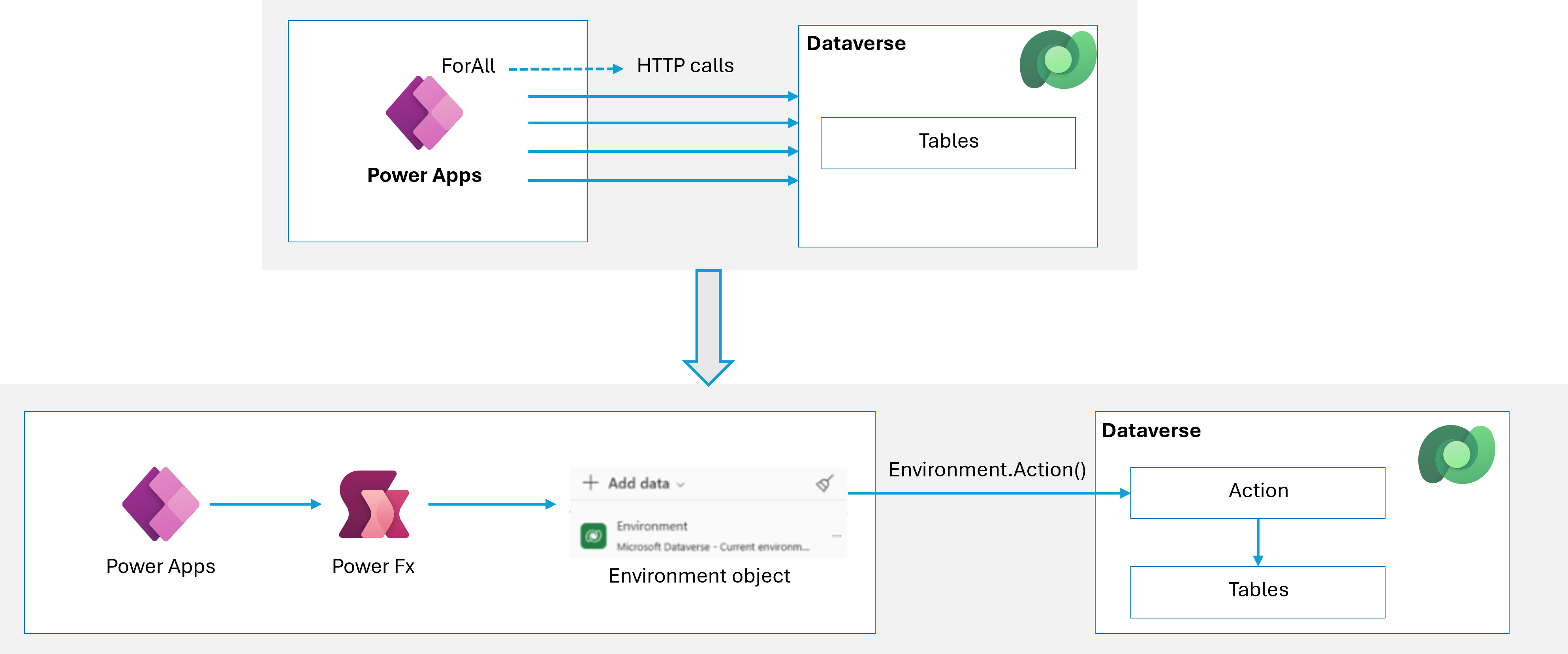
Canvas app performance reference architecture

Figure 1. Optimize canvas apps with platform-aligned architecture. Source: Microsoft Learn: optimize canvas app performance.
Most NEE warnings are noise: measure real MLV wall-clock

· 5 min read
Sai Prudhvi Neelakantam
Senior Consultant, Data Engineering & AI at Evidi

Materialized Lake View runs paste warning floods that mention native execution engine fallbacks. Teams panic-rewrite Spark SQL to chase every line. Meanwhile the DAG's wall-clock still hides in one slow node nobody measured.

Measure first. Pasted warnings include Delta and MLV metadata internals you cannot and need not remove. Wall-clock attribution beats fear-driven rewrites. Fix the few fallbacks that move latency. Ignore the rest deliberately. Document accepted warnings so on-call does not thrash. Pair with per-view notebooks so slow nodes are isolatable.

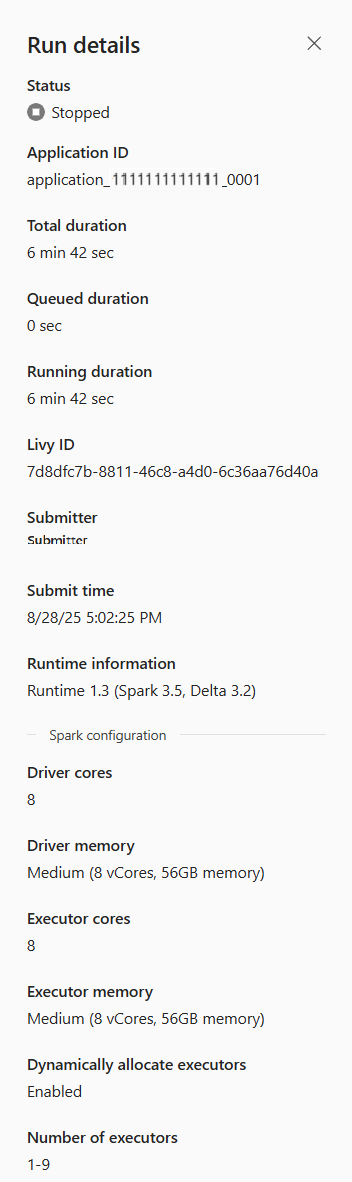
Spark job summary in Fabric monitoring

Figure 1. Attribute MLV time with job details and DAG reality. Do not treat every NEE warning as a rewrite mandate. Source: Microsoft Learn: Spark detail monitoring.

When warehouse views time out, materialize the trunk not the leaves

· 6 min read
Sai Prudhvi Neelakantam
Senior Consultant, Data Engineering & AI at Evidi

Nine warehouse views timing out usually means two trunks and seven dependents. Teams that rewrite every leaf, or jump straight to a new platform, often miss the cheap win: materialize the consolidations everything else hangs from.

Use a layered playbook. Drop orphans. Apply cheap predicate and join rewrites. Then materialize the two or three heavy consolidations. Measure with the same harness before and after. Document what is a view versus a managed table so CI/CD stays honest.

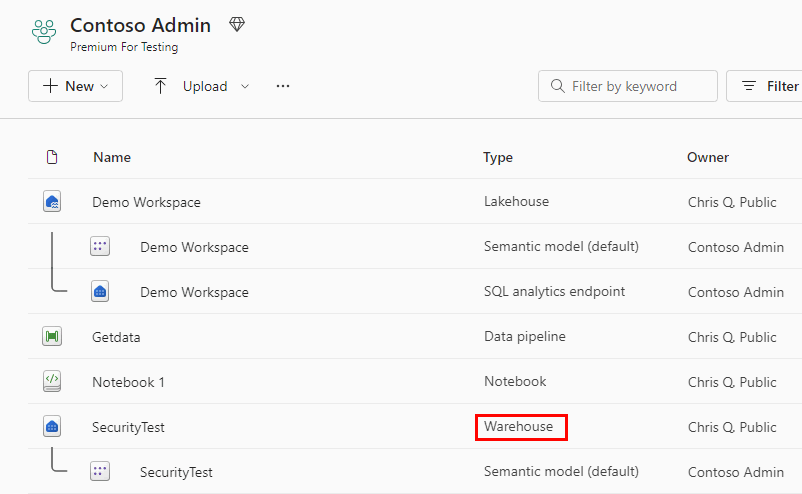
Warehouse item type in Microsoft Fabric

Figure 1. When dependents time out, materialize the trunk consolidations first instead of rewriting every leaf view. Source: Microsoft Learn: data warehousing in Fabric.

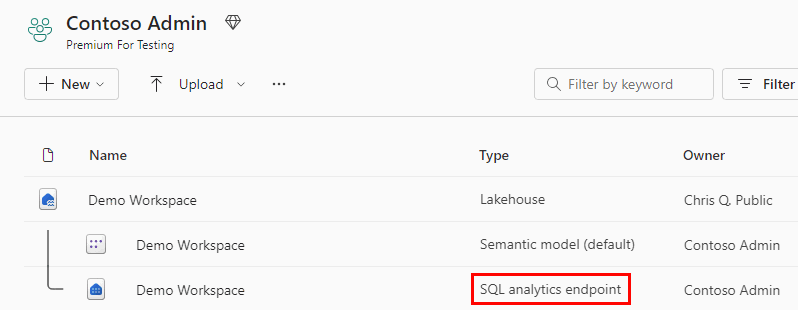
SQL analytics endpoint item type in Microsoft Fabric

Figure 2. Measure with the same harness before and after. Document view versus managed table so CI/CD stays honest. Source: Microsoft Learn: data warehousing in Fabric.