
3 posts tagged with "CI/CD"

Fabric and platform CI/CD blast radius, gates, and deploy targets.

View All Tags

Language gates belong in CI, not in code review folklore

· 6 min read
Sai Prudhvi Neelakantam
Senior Consultant, Data Engineering & AI at Evidi

Locale bugs and copy regressions show up in demos, not in polite Slack reminders. White-label shells make it worse: a forbidden customer string in core, a hard-coded English-only prompt overlay, a missing translation key that only fails in one market.

Put language gates in CI. Native linters in the pipeline beat optional pre-commit hooks for shared agent repos. Gates should cover prompt overlays and UI strings. Fail fast on forbidden customer hardcoding in core packages. Keep the gate list short enough that people do not bypass it. Locale and copy regressions are product bugs, not translation tickets filed after the fact.
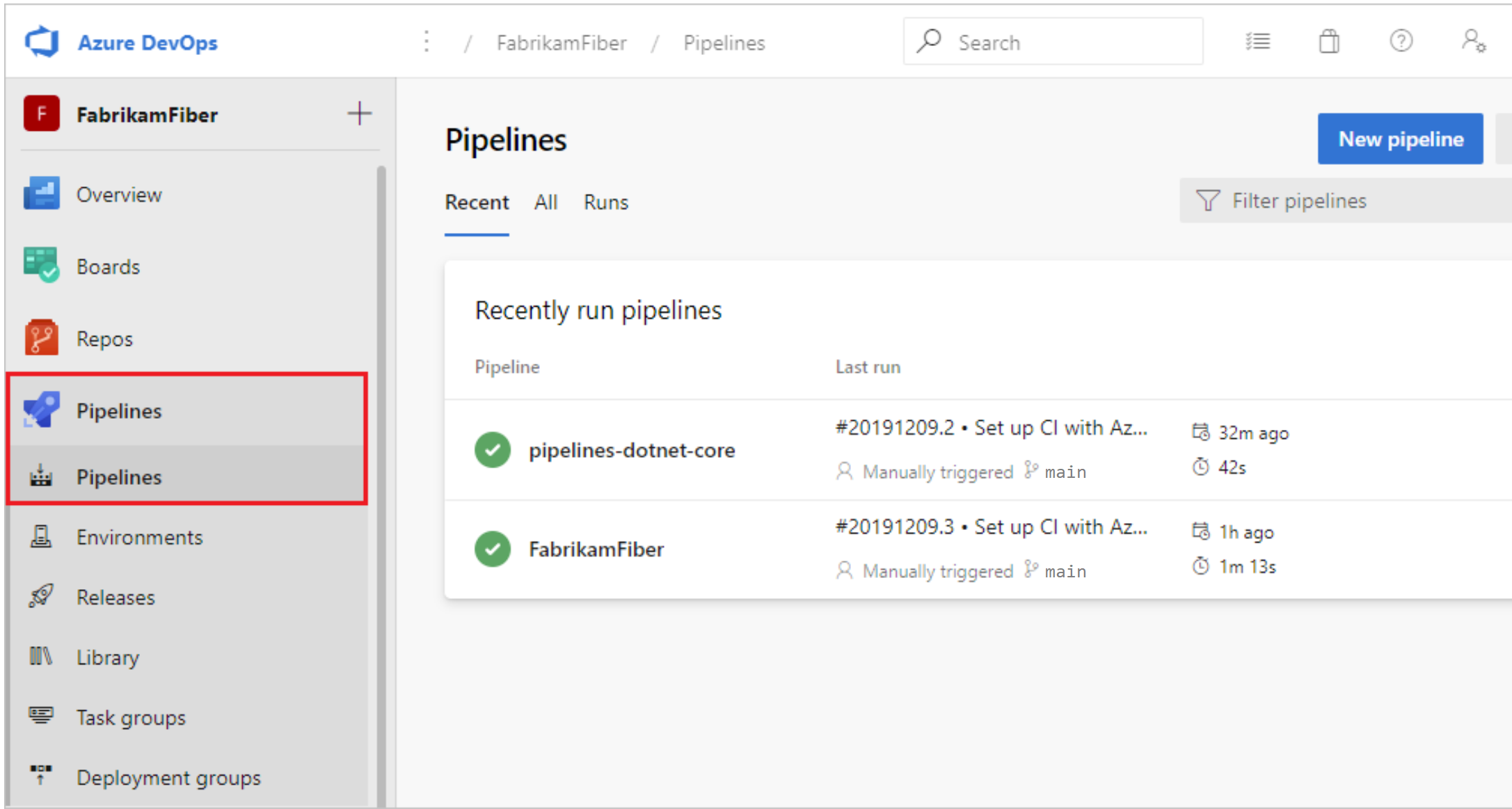
Azure Pipelines overview

Figure 1. Locale and copy regressions are product bugs. Put the gates in CI where unwilling enforcement actually runs. Source: Microsoft Learn: what is Azure Pipelines.
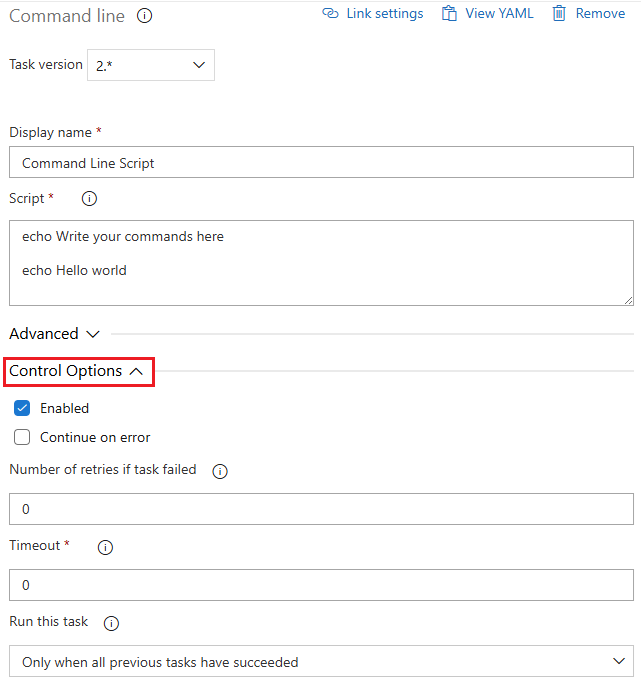
Azure Pipelines task control options

Figure 2. Native linters and short language tests beat optional hooks that disappear under release pressure. Source: Microsoft Learn: pipeline tasks.
Fabric CI/CD blast radius: when no changes still deploys

· 6 min read
Sai Prudhvi Neelakantam
Senior Consultant, Data Engineering & AI at Evidi

Your pipeline runs. You did not touch half the notebooks. They still publish.

That is not always a bug in your YAML. Fabric deployment models and item pairing often optimize for workspace consistency, not git-style minimal diffs. If you design as if only changed files move, production will teach you otherwise.

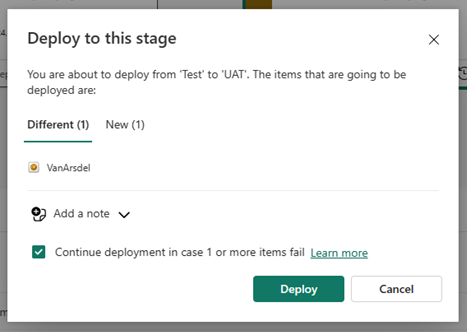
Confirm a Fabric deployment

Figure 1. Deployment is a workspace operation. Source: Microsoft Learn: deployment pipelines.

Variable Library is your environment map, not a sticky note

· 6 min read
Sai Prudhvi Neelakantam
Senior Consultant, Data Engineering & AI at Evidi

Hard-coded workspace IDs in notebooks are how Test accidentally rebinds Prod. Spreadsheet "environment maps" in chat are how two teams maintain different truths. Fabric already ships a better home: a Git-tracked Variable Library with per-stage value sets.

Put Test, Preprod, and Prod values in the item. Teach rebind notebooks to read via supported APIs. Split platform versus domain workspaces explicitly. Respect Git schema so restores work. Pair the library with a promotion story when portal parameters regress.

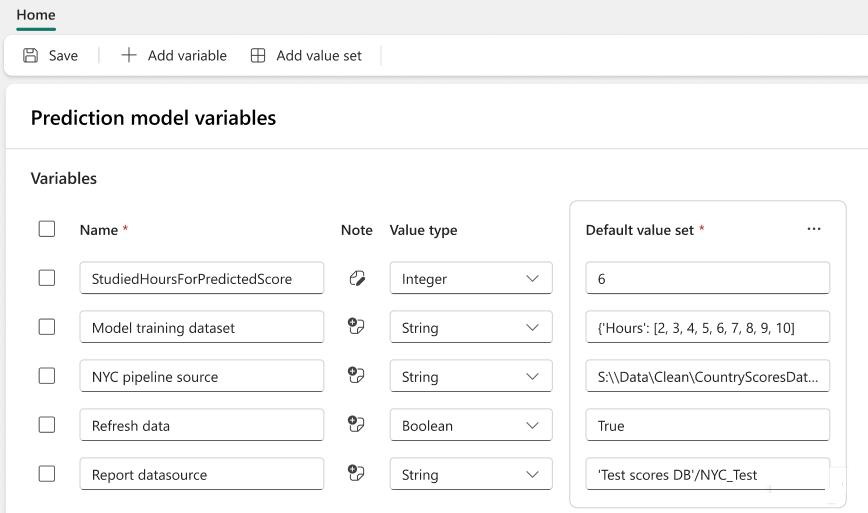
Define values in a Fabric Variable Library

Figure 1. Promotion is safer when workspace targets come from a Variable Library map, not pasted GUIDs. Source: Microsoft Learn: Variable Library overview.