3 posts tagged with "App Service"

Azure App Service patterns for agent shells and web apps.

View All Tags

POC public vs MVP private: networking as architecture for agent apps

· 7 min read
Sai Prudhvi Neelakantam
Senior Consultant, Data Engineering & AI at Evidi

A public POC proves the product loop. A private MVP proves you can survive enterprise networking.

Those are different architectures. Do not fake the second by adding more env files.

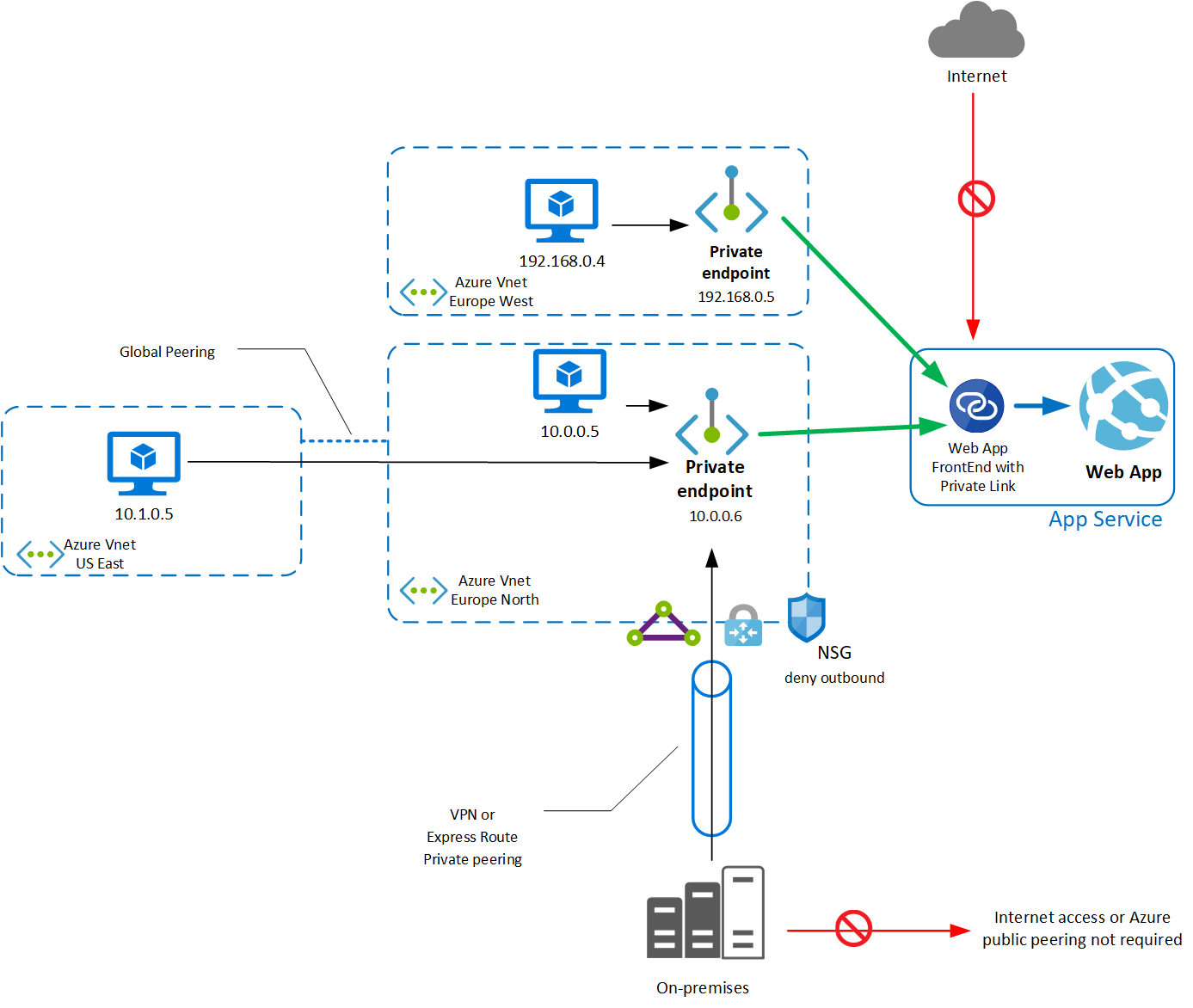
App Service private endpoint schematic

Figure 1. Private endpoint pattern for App Service. Source: Microsoft Learn: App Service private endpoints.

Env files are not environments: isolate with Azure CLI discipline

· 6 min read
Sai Prudhvi Neelakantam
Senior Consultant, Data Engineering & AI at Evidi

Six nearly identical .env.example files feel thorough. They guarantee drift. Someone updates three. Prod still reads the fourth. Agents and humans resolve different paths. The repo looks configured. The cloud is the actual environment, and nobody agrees which subscription is live.

Treat Azure CLI context (subscription, resource group, identity) as the isolation boundary. Keep a small set of live env files plus stage templates that document names, not secrets. POC and MVP can share product code while keeping separate deploy stages.
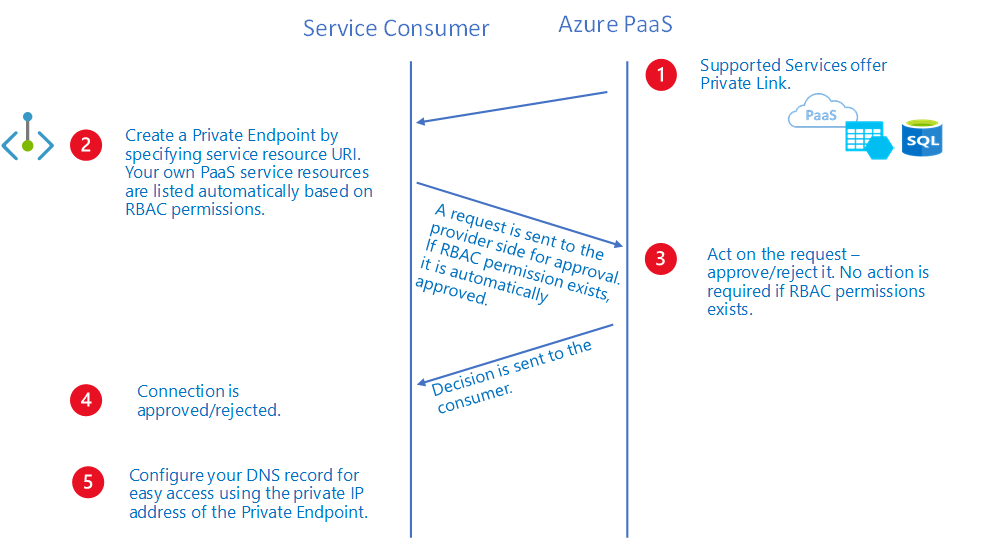
Private Link PaaS workflow diagram

Figure 1. Cloud isolation is subscription, resource group, identity, and network posture. Env files only describe names. Source: Microsoft Learn: private endpoint overview.
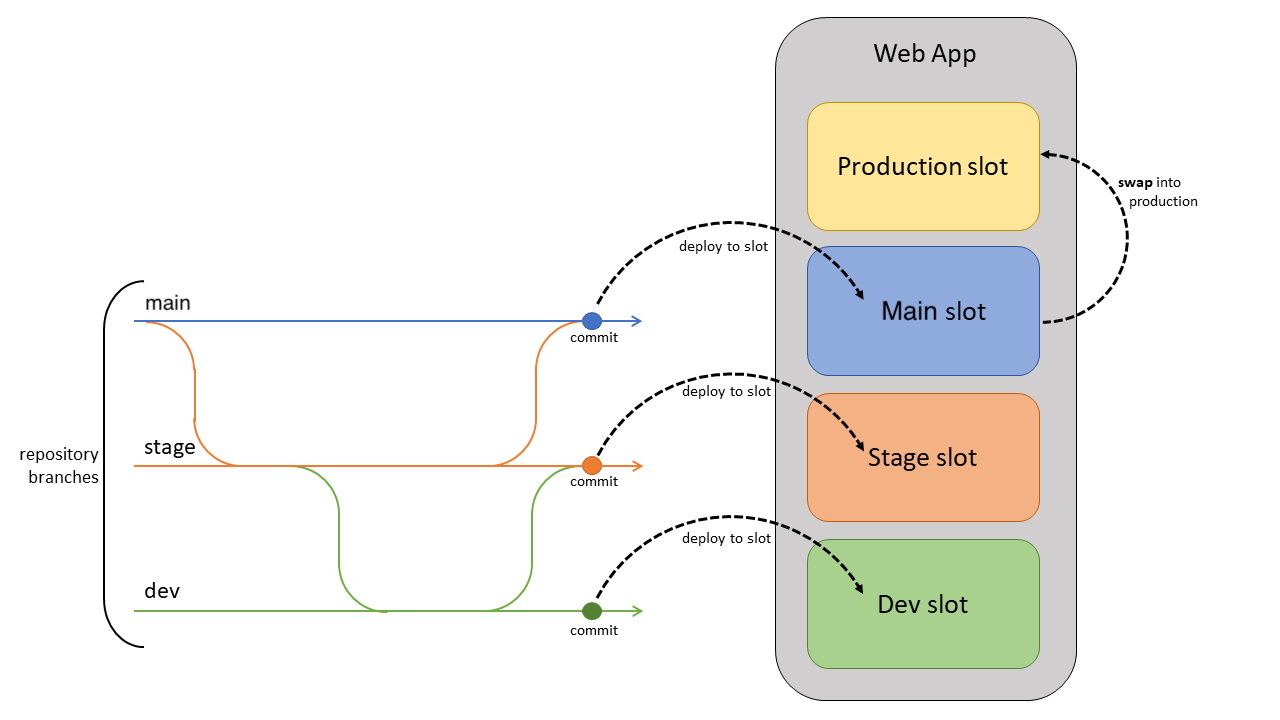
App Service deployment slot flow diagram

Figure 2. POC and MVP can share product code while keeping separate deploy stages and Azure CLI contexts. Source: Microsoft Learn: App Service deploy best practices.

Foundry webapps deploy as identity and egress, not as Node hostnames

· 5 min read
Sai Prudhvi Neelakantam
Senior Consultant, Data Engineering & AI at Evidi

Teams still celebrate when the container listens on the right port. For Foundry-backed agent webapps, that is the easy half. The hard half is who the app runs as, how OBO flows, and how egress reaches Foundry, Search, and storage without turning the VNet story into folklore.

Deploy the pattern as identity and networking first. Hostname and Node version are table stakes.

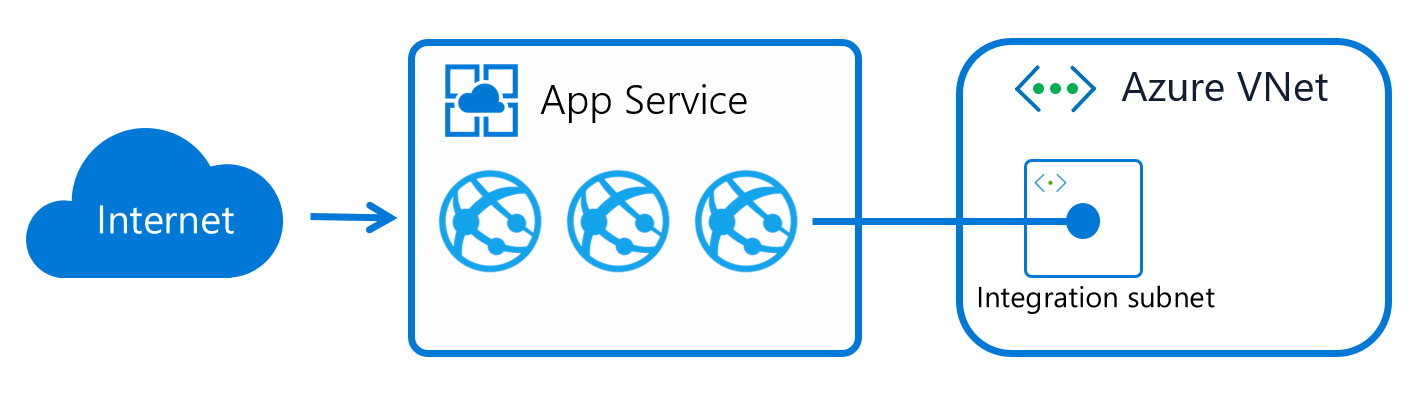
Regional VNet integration for App Service

Figure 1. Foundry webapps deploy as identity and egress. VNet integration changes name resolution and outbound paths more than hostnames do. Source: Microsoft Learn: App Service VNet integration.